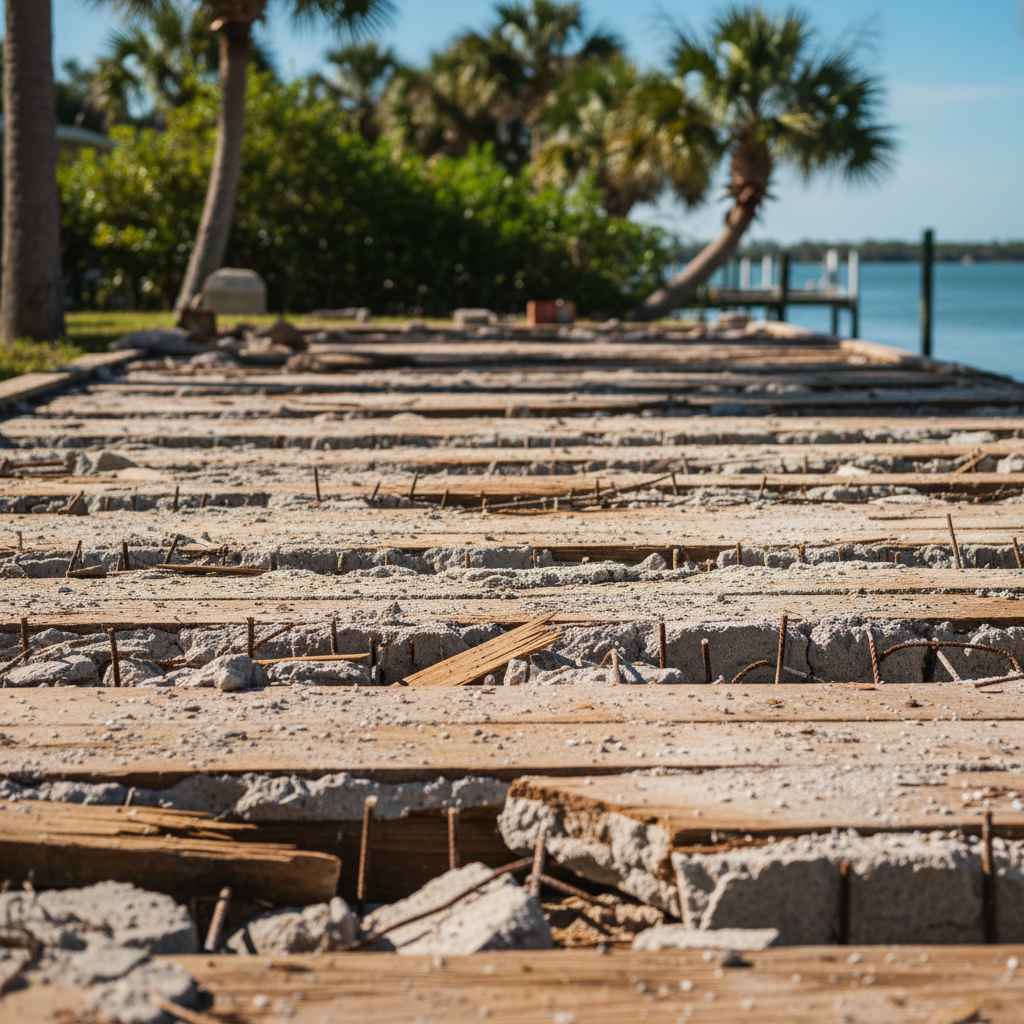
So, you've got an old dock that's seen better days. Maybe it's rotting away, or a hurricane really gave it a beating, or perhaps you just want to open up your view. Your first thought might be, "I can totally handle this myself." And sometimes, you can — a little bit, anyway. But dock demolition, especially here on the Gulf Coast, isn't like tearing down an old shed. There's a whole lot more to it than just swinging a hammer.
Before You Even Think About Tearing Anything Down
The very first thing you need to do, before you buy a single tool or even look at that dock with a gleam in your eye, is check on permits. This isn't just a friendly suggestion; it's a legal requirement. You're dealing with navigable waterways, which means multiple agencies get involved. You'll likely need permits from the Florida Department of Environmental Protection (FDEP) and the U.S. Army Corps of Engineers (USACE). Sometimes, the county or city will have their own rules too, just to complicate things. Trust me, you really don't want to start tearing down a dock only to get a stop-work order and a hefty fine. Those fines can make hiring a pro look downright cheap.
Next, you need to understand what your dock is actually made of. Is it just wood? Does it have concrete? Are there old tires used as bumpers? What about the pilings themselves? Are they treated wood, concrete, or steel? This matters a lot for how you'll approach the demolition and, even more importantly, how you'll get rid of the materials. You can't just toss treated lumber or concrete into a landfill without following specific procedures, and you absolutely cannot let it fall into the bay.
What You Might Be Able to Do Yourself (Carefully!)
Alright, let's talk about the parts you might be able to tackle if you're handy and the dock is small and simple. If you've got a small, older wooden dock that's mostly above water and isn't structurally integrated into a seawall, you might be able to remove the decking and maybe some of the stringers yourself. Think of it like taking apart a regular deck. You'll need:
- Good quality pry bars and a sledgehammer.
- A reciprocating saw for cutting through stubborn nails or bolts.
- Plenty of safety gear: gloves, eye protection, sturdy boots, and a life vest if you're working over water.
- A plan for debris removal. You'll need a way to get the wood off your property and to an approved disposal site. Renting a dumpster is usually the smart move here.
Focus on the parts that are easily accessible and don't require heavy machinery or specialized tools. If you're working over water, you absolutely need to be careful. Falling in with tools, or worse, getting injured, just isn't worth saving a few bucks. The currents in places like Grand Lagoon can be stronger than you think, even close to shore.
When It's Time to Call in the Pros (Most of the Time)
Here's the honest truth: for most dock demolition projects in Panama City, you're going to need professional help. Why?
- Pilings: This is the big one. Removing pilings, especially if they're driven deep into the bay floor or made of concrete, is not a DIY job. You'll need specialized equipment like barges, pile extractors, and sometimes even divers. Trying to pull these out yourself can damage your property, the seabed, or even injure you seriously.
- Environmental Concerns: Professionals know how to contain debris, prevent pollution, and dispose of materials properly, following all FDEP and USACE regulations. They're set up to handle treated lumber, creosote-soaked wood, and other hazardous materials responsibly.
- Safety: Working over water, with heavy, often rotten materials, is inherently dangerous. Professionals have the training, insurance, and equipment to do it safely. They're also insured, which protects you if something goes wrong — a nice bonus, right?
- Permit Navigation: A good demolition contractor, like us at Guardian Demolition, deals with these permits all the time. We know the ins and outs, which can save you a ton of headaches and potential delays.
- Efficiency: What might take you weeks of back-breaking labor could take a professional crew just a few days, or even less, depending on the size of the dock.
If your dock has concrete components, is large, has deep pilings, or is in a tricky location with strong currents or difficult access, don't even think about doing it yourself. You'll end up spending more in the long run trying to fix mistakes or pay fines.
After the Demolition
Once the dock is gone, you'll want to make sure the area is clear and safe. If you used a professional, they'll handle the final site cleanup. If you did some of it yourself, double-check for any stray debris in the water or on your property. You don't want old nails or wood floating around, causing problems for swimmers or boats.
Think about what you'll do with the space next. Are you rebuilding? Landscaping? Just enjoying the open water? Having a clear plan for the post-demolition phase helps ensure the project is truly complete. Don't underestimate the complexity of tearing down structures over water. Sometimes, the best DIY project is knowing when to call someone who does this for a living.