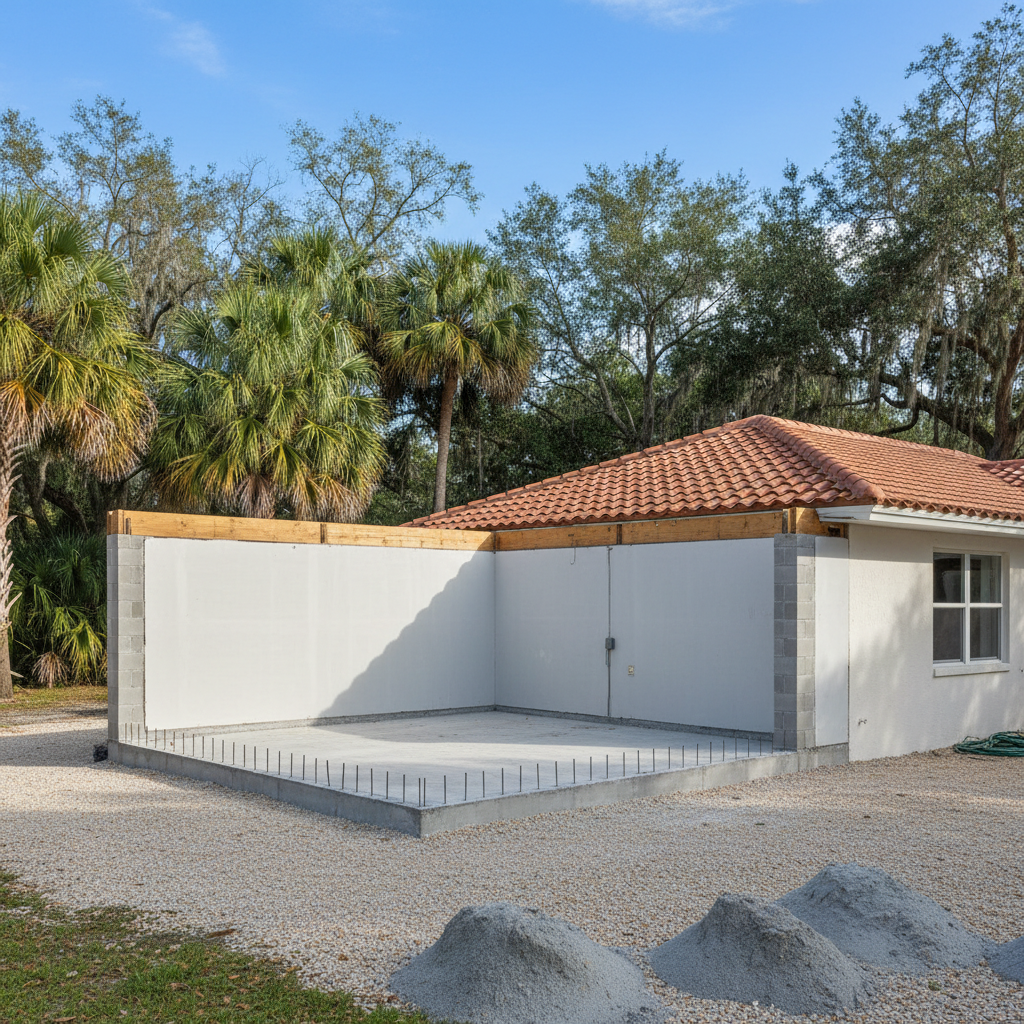
So, you're finally ready to tackle that renovation, right? Maybe knock out a wall, expand a room, or clear out an old porch to make way for something totally new. Partial demolition seems pretty straightforward, doesn't it? Just get a crew in there, swing some hammers, and boom – new space. Hold on a minute. I've seen homeowners right here in Panama City make some truly avoidable, and expensive, mistakes when they don't plan things out or hire smart for these kinds of jobs.
Mistake #1: Not Knowing What's Behind That Wall
Honestly, this is probably the biggest one. You see a wall, and you just assume it's drywall and studs. But what if it's actually holding up your roof? What if there are electrical lines running through it that power half your house? Or plumbing pipes for your upstairs bathroom, for crying out loud? I've walked onto jobs where a homeowner – or a contractor who wasn't thorough enough – started tearing into something only to discover they'd cut a main water line or seriously messed with a structural beam. Suddenly, your small demo project turns into a massive structural repair or a flood remediation nightmare. Always, and I mean *always*, have a professional check out what you're dealing with before any demo even starts. We use special tools to scan for studs, pipes, and wires, and we know how to read blueprints, or even just the house itself, to figure out what's critical and what's not.
Mistake #2: Skipping the Permits
Ah, the dreaded 'P' word. Nobody loves dealing with permits, but trust me, you'll like dealing with the city even less when they shut down your project and fine you for not having one. Even for partial demolition, especially if you're touching anything structural, electrical, or plumbing, you'll likely need a permit from Bay County or the City of Panama City. Some folks think, 'It's just a small wall, who's gonna know?' Well, your neighbors might know, or a city inspector could be driving by, or you might need to sell your house down the line and that unpermitted work becomes a huge headache. It's just not worth the risk. A good contractor, like us at Guardian Demolition, will help you through the permit process or even handle it completely. That's just part of doing things the right way.
Mistake #3: Underestimating Debris Removal
Okay, so you've got a pile of drywall, wood, insulation, and maybe some old tile. Where's it all going to go? Some homeowners think they can just bag it up and put it out with the regular trash. Nope. That's not how it works. Demolition creates a lot of waste, and it's often heavy, bulky, and sometimes contains hazardous materials like old paint or even asbestos (especially in older homes here in Panama City built before the 80s). You absolutely need a plan for getting rid of all that debris. This means dumpsters, proper disposal sites, and sometimes specialized handling for certain materials. If your contractor doesn't include debris removal in their quote, or if they just say 'we'll figure it out,' that's a big red flag. You definitely don't want a mountain of rubble sitting in your yard for weeks, attracting critters and complaints.
Mistake #4: Hiring the Cheapest Bid Without Asking Questions
Everyone wants to save money, I totally get it. But when it comes to demolition, the cheapest bid often ends up being the most expensive in the long run. I've seen countless situations where a homeowner went with the lowest price, only to find the contractor was uninsured, unlicensed, or just plain incompetent. They might damage other parts of your home, leave a huge mess, or disappear halfway through the job. Before you hire anyone, ask for proof of insurance (liability and workers' comp), check their license with the state, and ask for references. Get a detailed quote that spells out exactly what's included – permits, debris removal, protecting surrounding areas, and a timeline. A reputable company will be totally transparent about their process and costs. If they're vague or pushy, just walk away.
Mistake #5: Not Protecting the Rest of Your Home
When you're tearing something down, dust goes everywhere. I mean, *everywhere*. And if you're not careful, flying debris can damage floors, walls, furniture, and even windows. A professional crew will take the time to seal off the work area with plastic sheeting, lay down floor protection, and take precautions to keep dust from spreading. They'll also turn off HVAC systems in the area to prevent dust from circulating throughout your entire house. Skipping these steps to save a few bucks on the front end will cost you a lot more in cleaning and repairs later. We always prioritize containing the mess and protecting your property, because nobody wants to live in a dust storm for weeks after a demo, right?
Look, partial demolition isn't rocket science, but it's not a DIY project for the faint of heart either, especially if you want it done right and without major headaches. Do your homework, ask the tough questions, and hire a professional who knows what they're doing. It'll save you a lot of grief and money in the long run.